Best Lakeside Picnic Spots at Lough Derg
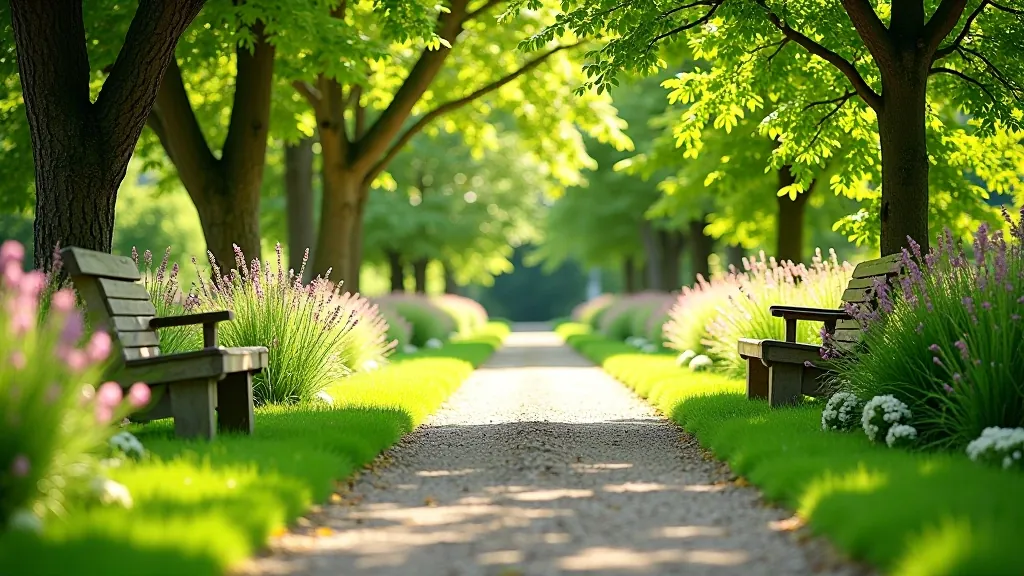
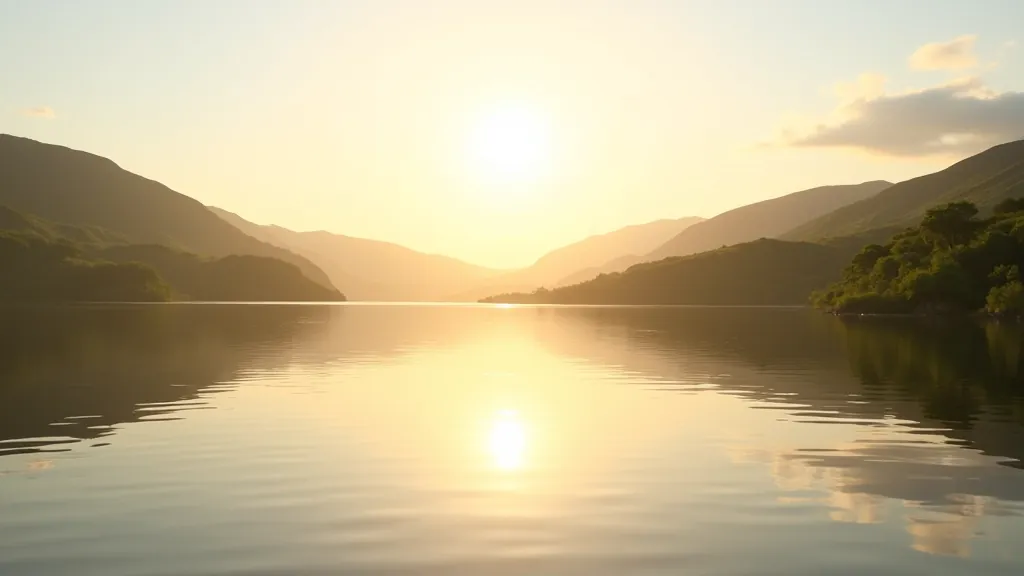
Discover hidden picnic areas with stunning water views. We've found the most accessible spots perfect for relaxing outdoor meals.
Research shows spending time outdoors improves wellbeing. We've listed activities proven to help with relaxation, mood, and overall health for seniors.

Getting outside doesn't require expensive equipment or complicated planning. It's one of the simplest yet most effective ways to calm your mind and improve your health. We're not talking about strenuous hiking — gentle walks, quiet sitting, and simple outdoor time all count.
The benefits are real. Studies show that even 20 minutes in nature can lower cortisol levels (that's your stress hormone), reduce blood pressure, and boost mood. Plus, you'll likely sleep better and feel more relaxed for hours afterward.
Walking outdoors is the easiest way to start. You're not training for anything — you're just moving at a pace that feels comfortable. A gentle 30-minute walk through a park, along a lakeshore, or even around your neighborhood can make a real difference.
What makes nature walks different from treadmill walking? It's the variety. Your brain stays engaged with changing scenery, uneven ground, and natural sounds. Birds singing, wind in trees, water — these all trigger a calming response in your nervous system that flat, predictable environments don't.

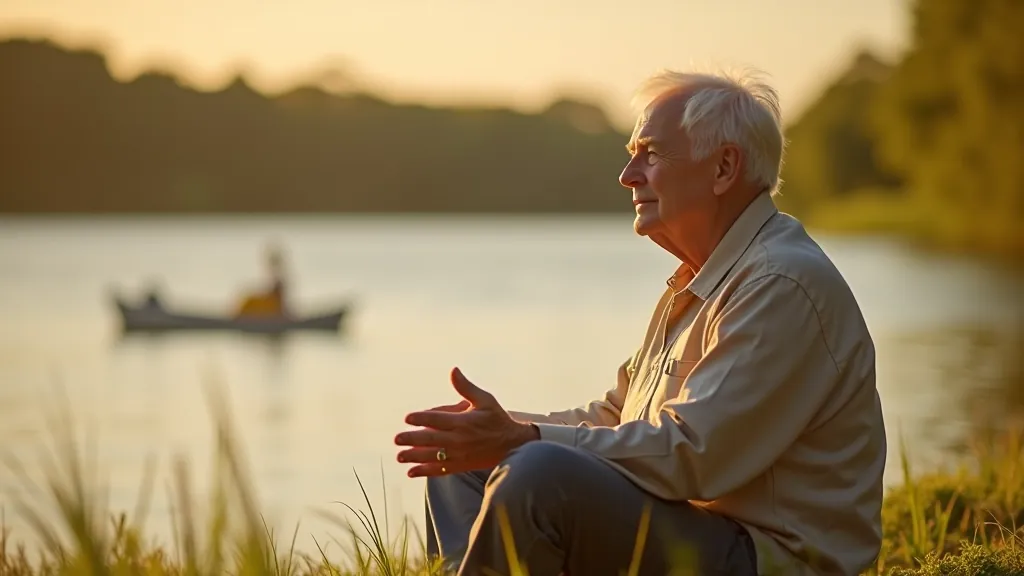
You don't need to move to get benefits. Sometimes the best thing you can do is simply sit outside and be present. Find a bench by the water, under a tree, or in your garden. Spend 15–30 minutes just watching and listening.
This isn't meditation in a structured sense — it's just being outside without doing anything in particular. Let your eyes follow birds, notice how light changes on water, listen to wind. Your mind naturally settles when you're not trying to accomplish anything. This quiet time reduces anxiety, lowers blood pressure, and gives your nervous system a genuine rest.
Quick tip: Lakeside sitting is especially powerful. The combination of open water, moving light, and natural sounds creates what researchers call "soft fascination" — your mind relaxes while staying gently engaged.
Important Note: This article provides informational content about nature-based activities for general wellbeing. It's not medical advice. If you have health concerns, mobility issues, or are taking medications that affect balance or outdoor safety, consult your doctor before starting new activities. Always wear appropriate footwear, check weather conditions, and stay hydrated.
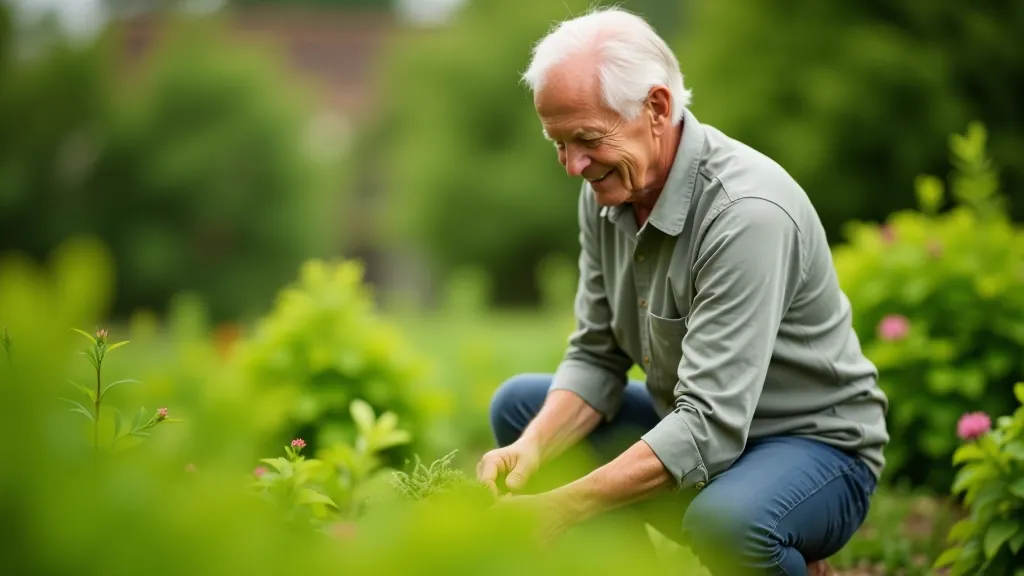
Gardening combines movement, purpose, and connection to nature. You're not just sitting — you're nurturing something. Whether it's growing vegetables, tending flowers, or maintaining a small herb garden, the act of caring for plants is deeply calming.
The repetitive motions (digging, planting, watering) are meditative. You see results over time, which gives a genuine sense of accomplishment. Even small container gardens on a balcony work — it's the engagement with growing things that matters. Gardening also gets you outside regularly, which creates a sustainable habit rather than a one-off activity.
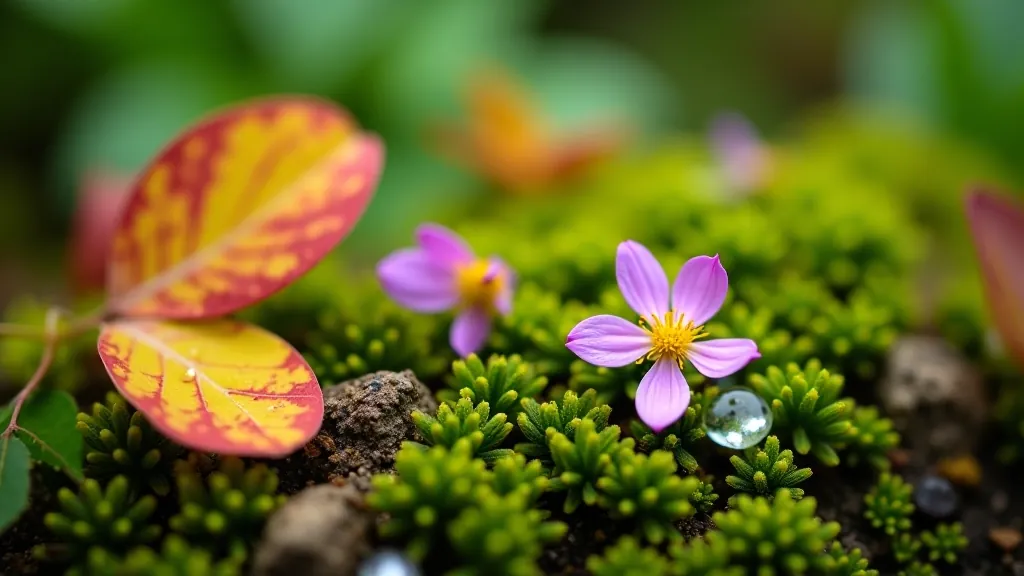
Sometimes the most powerful moments are when you slow way down and really pay attention to small details. Look closely at bark texture, watch how insects move, feel different leaves. Listen to specific bird calls. Notice how the air smells different in morning versus afternoon.
This focused attention isn't about learning facts — it's about being fully present. It naturally pulls your mind away from worries and anchors you in the moment. Even 10 minutes of genuine sensory attention can reset your nervous system and leave you feeling noticeably calmer.
Find a quiet outdoor spot
Pick one small thing to observe closely
Spend 10–15 minutes just watching
Notice how you feel afterward
You don't need perfect conditions or special gear to benefit from nature. A 20-minute walk in a local park, 15 minutes sitting by water, or hands in soil during gardening — any of these count. The key is consistency. Regular outdoor time works better than occasional long outings.
The best activity is the one you'll actually do. If you love walking, walk. If you'd rather garden, garden. If sitting by water calls to you, do that. Your nervous system responds to genuine nature time, so pick what feels right and make it a habit. Even in weather that's less than perfect, you'll find the benefits waiting.
Ready to explore more outdoor activities for relaxation?
Read Our Garden Walking Guide