

Best Lakeside Picnic Spots at Lough Derg
Discover hidden picnic areas with stunning water views. We've found the most accessible spots with facilities and shade.
Discover peaceful garden routes designed for comfort, seating, and seasonal beauty around your area
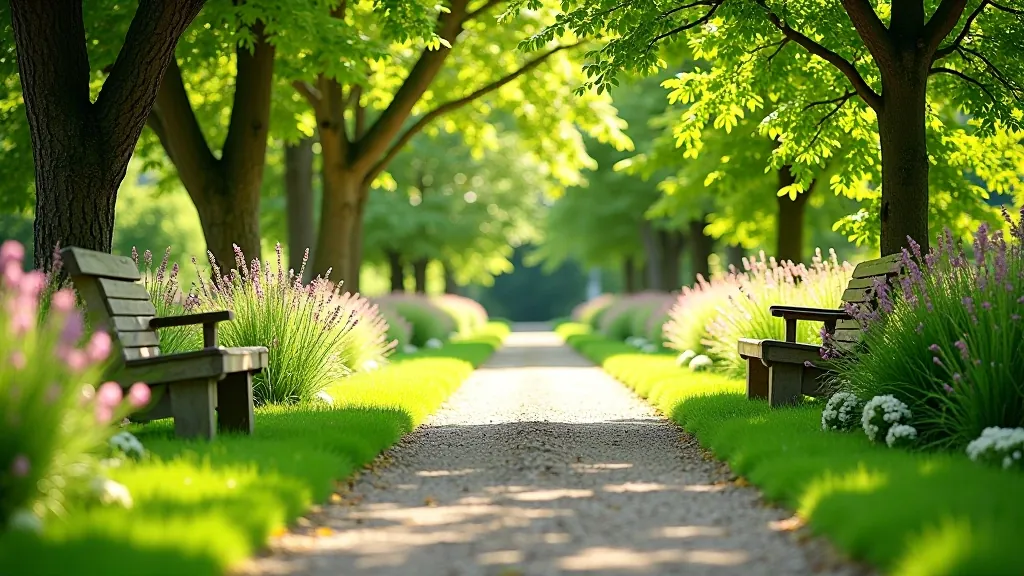
Walking through gardens isn't just a pleasant way to spend an afternoon — it's genuinely good for you. Regular gentle walks improve circulation, strengthen bones, and boost mood without the impact of harder exercise. Plus, being surrounded by plants and flowers has a calming effect that you'll notice after just a few visits.
We've explored the best local gardens for relaxed walking and picked out routes that won't leave you exhausted. These aren't challenging hikes. They're designed for people who want to move their bodies, enjoy nature, and maybe sit on a bench with a cup of tea. Most walks take 30-45 minutes at a comfortable pace, though you're welcome to go slower.
Rest whenever you need. All recommended gardens have benches throughout their paths.
Paved pathways and gentle slopes. No steep hills or difficult terrain to navigate.
Flowers change throughout the year. Spring bulbs, summer blooms, autumn colors — always something new.
You don't need special equipment or expensive gear. A good pair of comfortable walking shoes is really all that matters. They should have a bit of cushioning and support — nothing fancy, just shoes you've worn before that don't cause blisters.
Bring a light jacket even on warm days. Garden areas are often shaded, and it's easy to get chilly when you're moving slowly. A water bottle is smart too — staying hydrated matters, especially in warmer months. Many gardens have cafés where you can grab tea or coffee, so you've got options if you don't want to carry everything.
The best time to visit is mid-morning or mid-afternoon. You'll avoid the strongest sun, crowds are lighter, and you'll feel more energized. Early mornings work if you're an early riser — gardens are particularly peaceful then, with fewer people around.
This guide is informational and educational. Garden accessibility, facilities, and opening hours change seasonally. Before visiting, we'd recommend checking each garden's website for current opening times, any temporary closures, and accessibility updates. If you have mobility concerns or health conditions, it's always wise to chat with your doctor before starting a new walking routine.
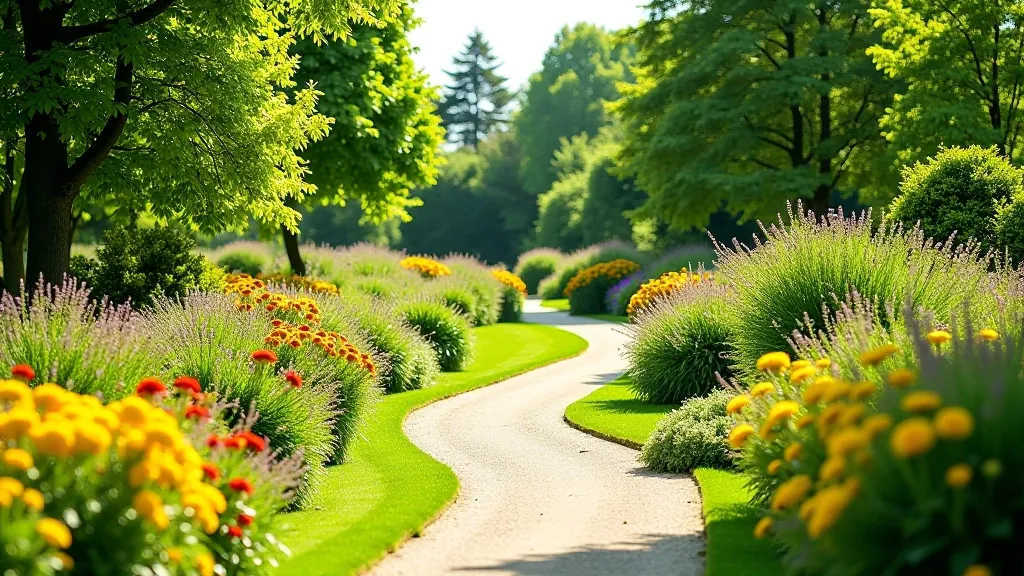
There's a real difference between gardens that happen to be walkable and gardens actually designed with walkers in mind. The best ones have clear paths, regular maintenance, and seating areas positioned so you can actually enjoy the view when you sit down.
Most local botanical gardens fit this bill perfectly. They've got themed sections — rose gardens, herb gardens, woodland areas — so your walk feels varied even if you're covering the same distance as a park loop. You're not just walking; you're discovering different plants and learning about what grows in your region.
Community gardens are worth exploring too. They're smaller, quieter, and often have a local history worth discovering. Plus, the people who tend them are usually happy to chat about what's growing and when things bloom.
The pace matters less than the consistency. A 20-minute stroll twice a week does more good than an occasional long walk. You're building a habit, not training for anything. That's why gardens work so well — they're pleasant enough that you'll actually want to come back.
Most gardens have maps at the entrance. Grab one and decide where you'll walk. This prevents you from feeling lost and helps you pace yourself.
Walking with someone else makes it social and more enjoyable. You're less likely to skip a walk if you've made plans with someone.
A small notebook or your phone's plant identification app adds a layer of interest. Learning names makes you more invested in what you're seeing.

Spring is the obvious choice — everything's blooming and the weather's getting warm. Snowdrops appear in late winter, then crocuses, then daffodils. By April and May, you've got tulips, cherry blossoms, and wisteria creating almost overwhelming beauty. Summer brings roses and perennials. The garden's full and lush, though you'll want to walk earlier in the day to avoid the heat.
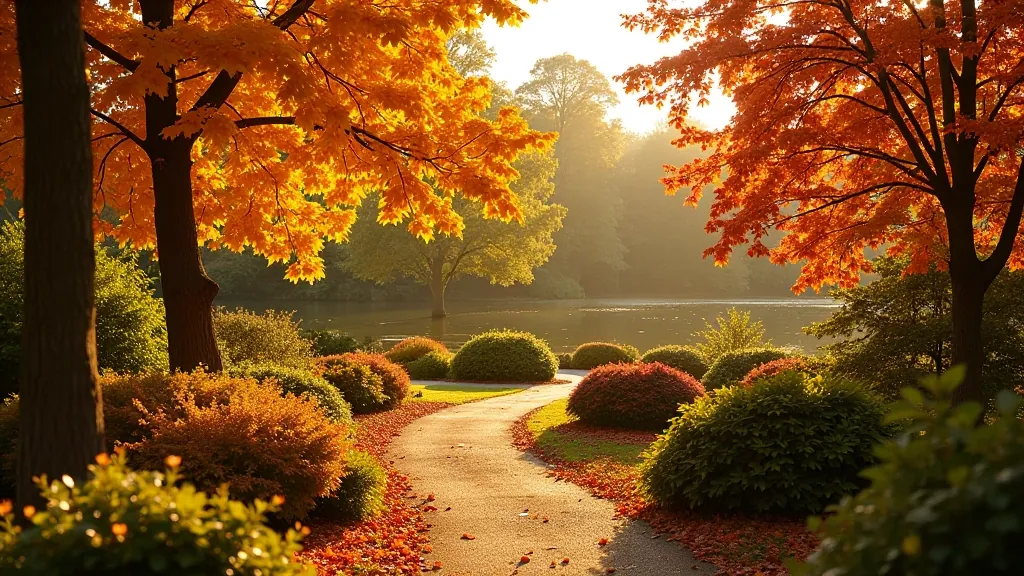
Autumn might actually be the best season though. Temperatures are perfect for walking — not too hot, not too cold. Foliage changes to reds and golds. It's quieter than spring. And honestly, there's something about autumn that just feels peaceful.
Winter gardens aren't dormant — they're different. Evergreens become the focus. Winter-flowering plants like hellebores and witch hazel are actually at their best. Frost on plants early in the morning is genuinely beautiful. Plus, you've got the paths mostly to yourself.

Garden walks aren't complicated. You don't need to be fit, young, or experienced. You just need to show up, move at your own pace, and let the surroundings do their job. After a few visits, you'll notice you're sleeping better, feeling calmer, and actually looking forward to your next walk. That's the real benefit — not checking off exercise minutes, but finding something you genuinely enjoy doing regularly.
Pick a garden that appeals to you. Go this week if you can. Bring comfortable shoes, a light jacket, and an open mind. The paths are there, the benches are waiting, and the plants don't care if you're slow. That's what makes garden walking perfect for relaxation.